
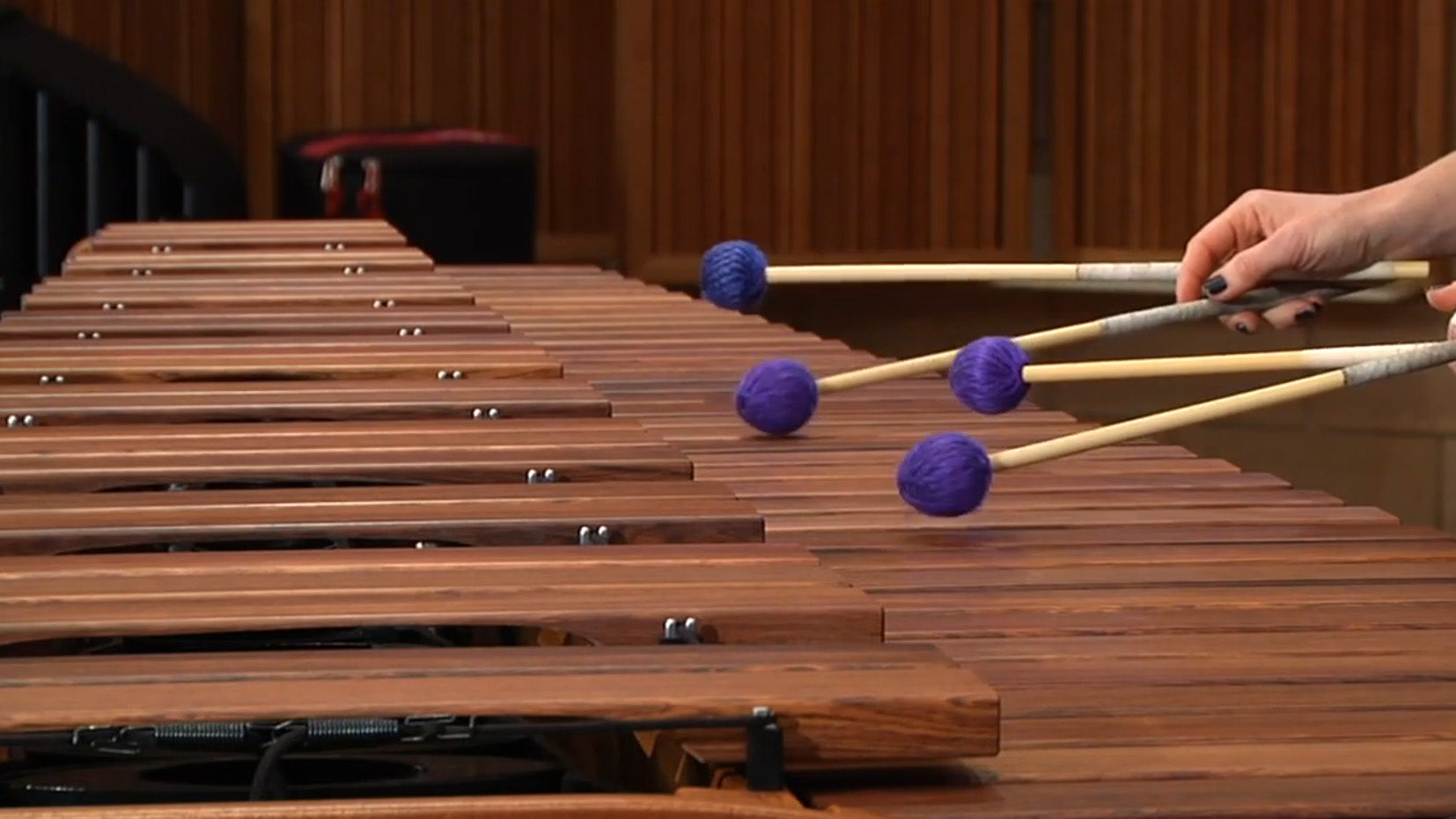
How to Choose the Right Marimba Mallets
You can have the most beautiful, resonant rosewood keyboard on the planet, but the mallets you choose will completely dictate the sound you pull out of the bars. Similar to how new drumheads on a cheap drumset can make a huge difference, your mallet selection really determines what your sound will be. The right mallets on padouk beat the wrong mallets on the high quality rosewood every time. Whether you are practicing on a 3.0-octave padouk keyboard or performing on a Marimba One Premium, finding the right mallet is crucial for both your tone and the protection of your instrument.
At Steve Weiss Music, we have hundreds of different marimba mallets that vary by color, core, and material to help players find their perfect sound. If you are feeling overwhelmed by the massive wall of options, here is a no-nonsense guide to selecting the right marimba mallets for your repertoire.
Rule Number One: Protect the Bars
Before we talk about tone, we have to talk about physics. The golden rule of keyboard percussion is: Never use a mallet head that is harder than the material of the bar you are hitting.
Marimba bars—especially in the lower octaves of a marimba—are tuned by carving out the underside of the wood, making them incredibly thin and fragile. If you take a hard plastic, lexan, or brass glockenspiel mallet to a rosewood or padouk marimba, you will permanently dent, crack, or destroy the bar. Always stick to rubber cores or softer materials when playing the marimba.
The Core: Choosing Your Hardness
The hardness of the core is the single biggest factor in your sound.
- Soft Mallets: Best suited for the low register of the marimba. They produce a rich, dark, and fundamental-heavy tone without a harsh attack.
- Medium Mallets: The workhorses of the mallet bag. They offer a balanced attack and tone across the middle range of the instrument.
- Hard Mallets: Designed for the upper octaves where the bars need more attack to project. They provide the clear, articulate sound needed to make fast, high melodies cut through an ensemble.
Pro Tip: Many advanced players use "graduated sets" when playing with four mallets—holding softer mallets in the left hand for bass accompaniment and harder mallets in the right hand for melodic clarity.
The Wrapping: Yarn vs. Unwrapped
Once you have the core, you have to look at the mallet wrapping.
Yarn-Wrapped Mallets: This is the standard for almost all marimba playing. Because there is a layer of wool or synthetic yarn between the core and the wooden bar, the sound of the strike is softened. This produces a warm, deep, and blended timbre that is perfect for solo literature and ensemble playing.
Unwrapped (Exposed Rubber) Mallets: Without the yarn buffer, an exposed rubber core produces a much more pronounced, immediate striking sound. If you want your marimba to have a highly articulate, "xylophone-esque" quality that stands out aggressively in a mix, an unwrapped rubber mallet is the way to go.
The Shaft: Birch vs. Rattan
The handle of the mallet completely changes how the instrument feels in your hands, and your choice here is heavily dictated by your preferred grip style.
- Birch (Wood) Shafts: Stiff, lightweight, and offer zero flex. Birch is highly preferred by players using the Stevens grip for 4-mallet playing. Because the Stevens grip holds the mallets independently without crossing the shafts in the palm, the rigidity of birch allows for precise, wide interval spreads and exact independent control. Other woods like cedar, maple or hickory are also sometimes used, but birch is most common.
- Rattan Shafts: Flexible and slightly heavier. Rattan has a natural "whip" and rebound to it, making it the overwhelming favorite for 2-mallet playing. For 4-mallet playing, rattan is the absolute standard for players using the Burton grip or the Traditional cross grip. Because these grips involve crossing the mallet shafts inside the palm and locking them together, the natural flex of the rattan absorbs the shock of the strike, preventing hand fatigue and delivering a smooth, powerful stroke.
Buying Advice: Keep Your Sets Matched
If there is any chance you will be playing with four mallets of the same model, buy all four at the same time. Yarn breaks in and softens the more it is played. If you buy two mallets today, play them heavily for six months, and then buy two more of the exact same model, the brand new mallets will sound noticeably brighter and harder than your broken-in pair. Always buy your 4-mallet setups in a single batch to ensure a uniform voice.
Finally, don't throw away a great pair of mallets just because the yarn is fraying! Many high-quality yarn mallets can be re-wrapped, saving you money in the long run and rewrapping your own mallets is a great skill for all marimba players to have.