
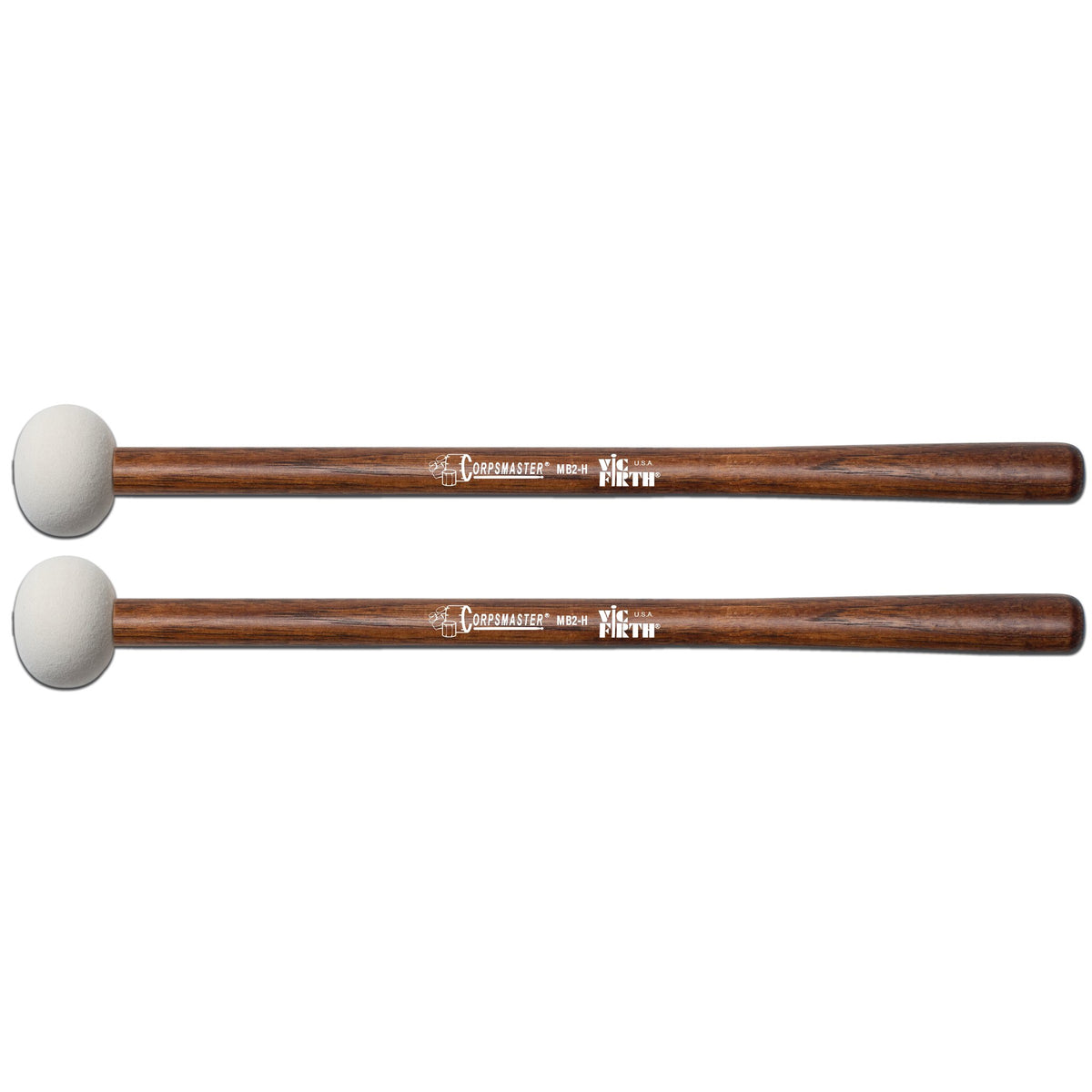
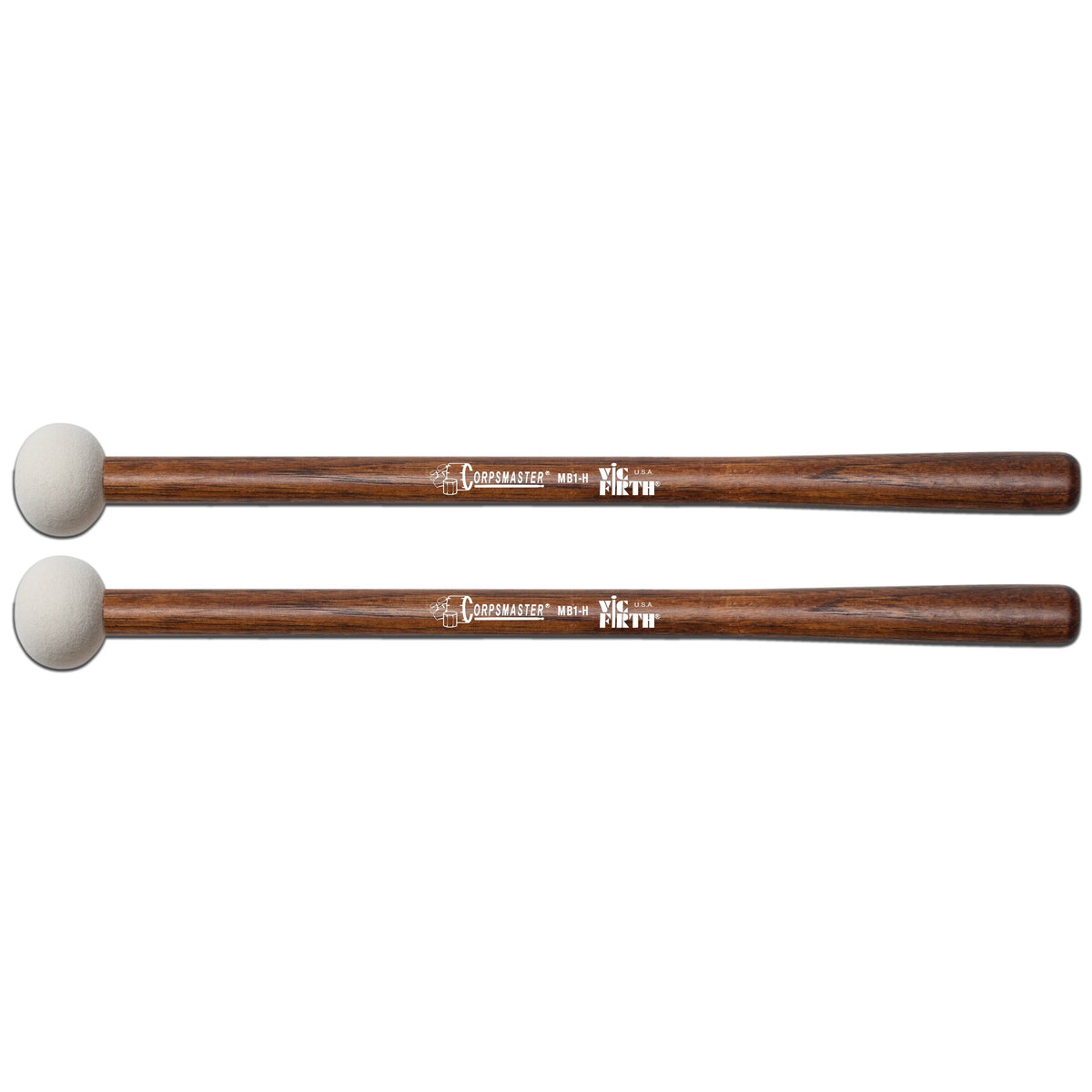
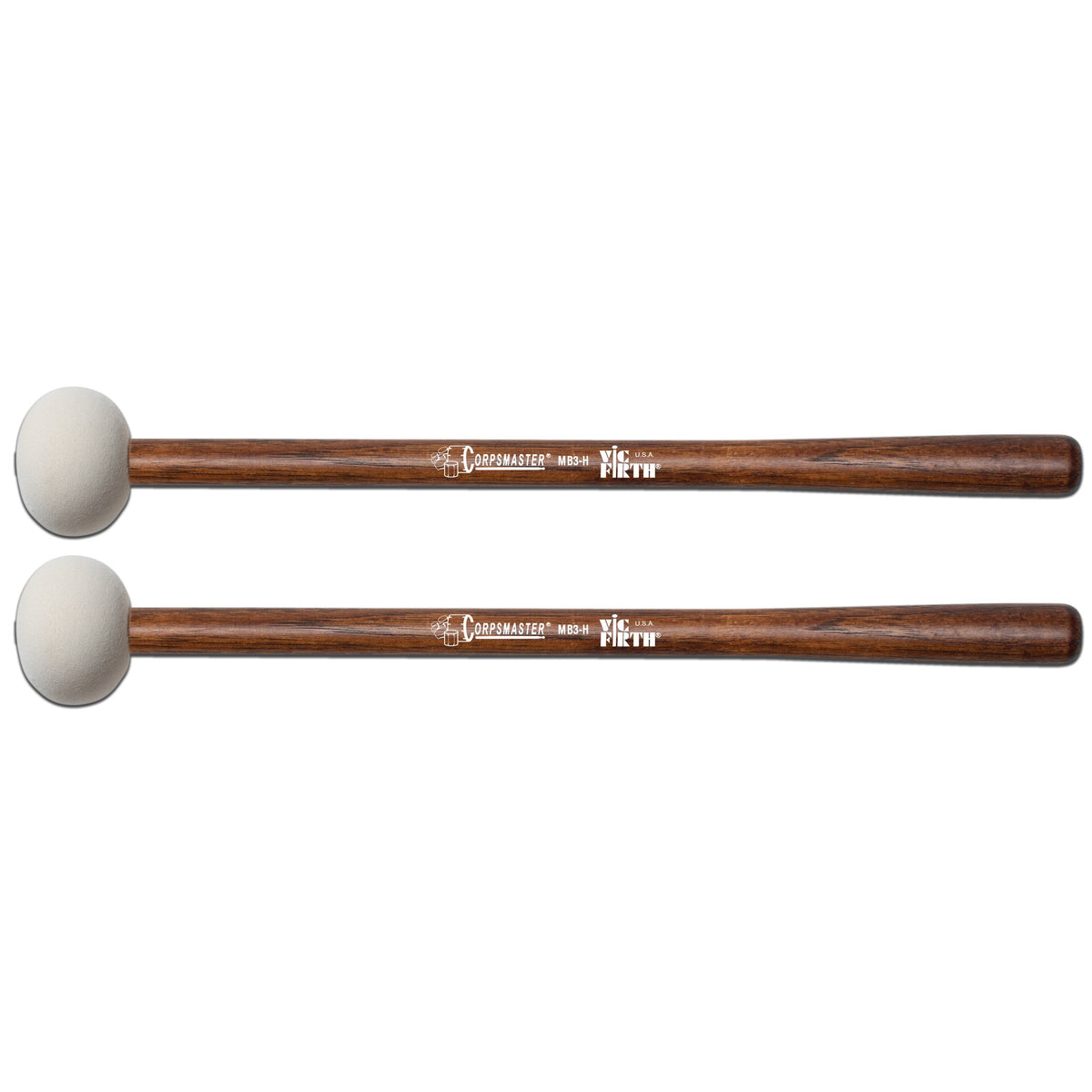

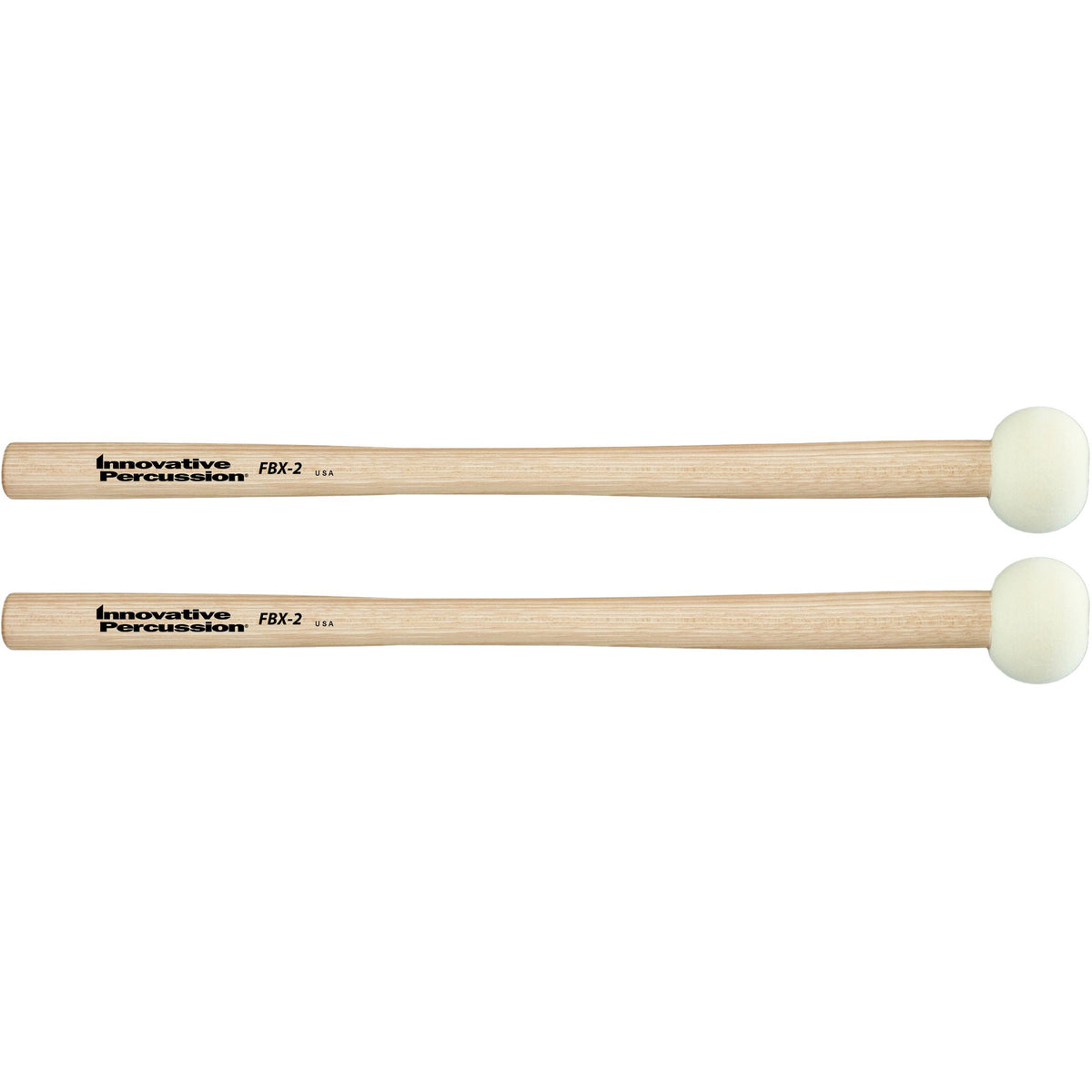
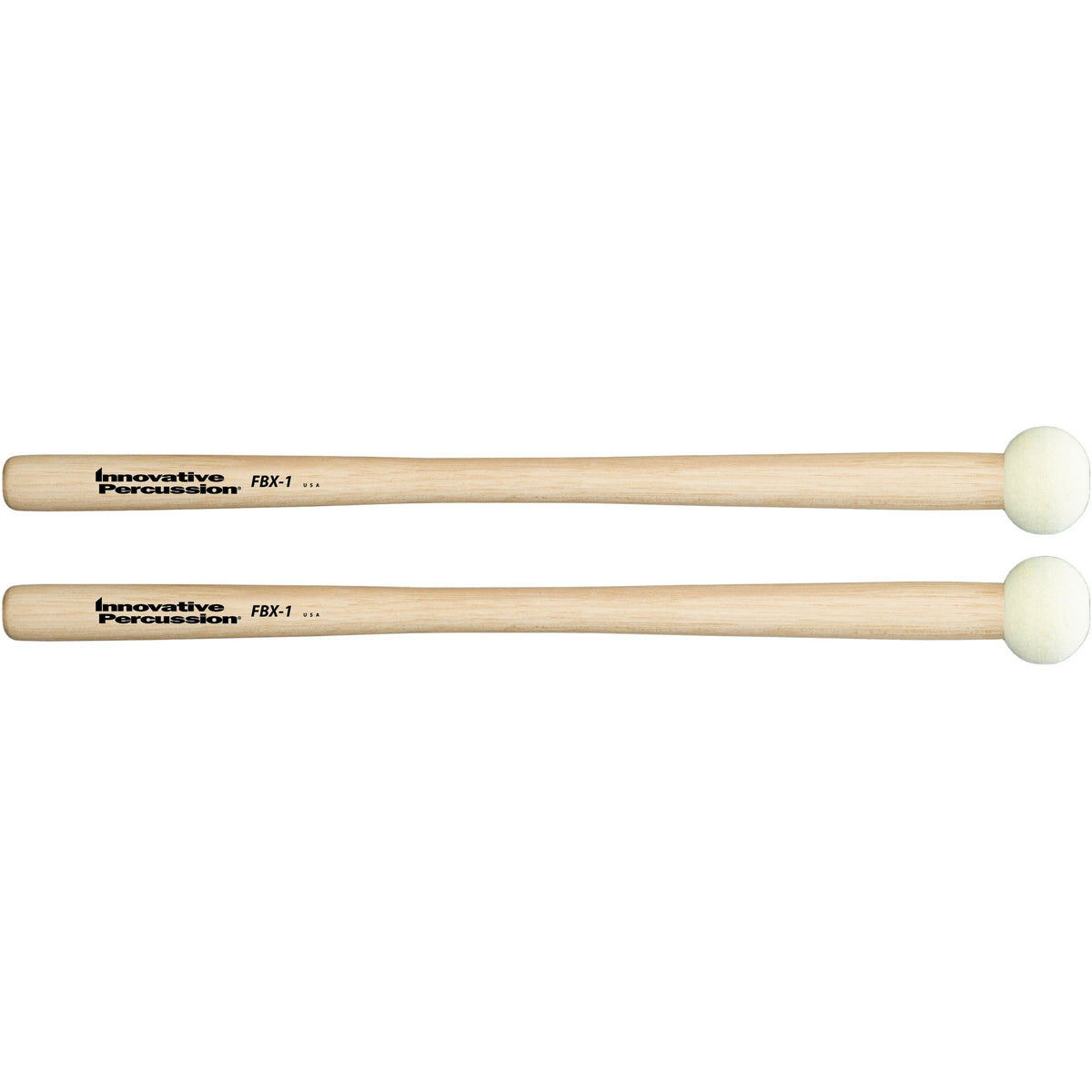


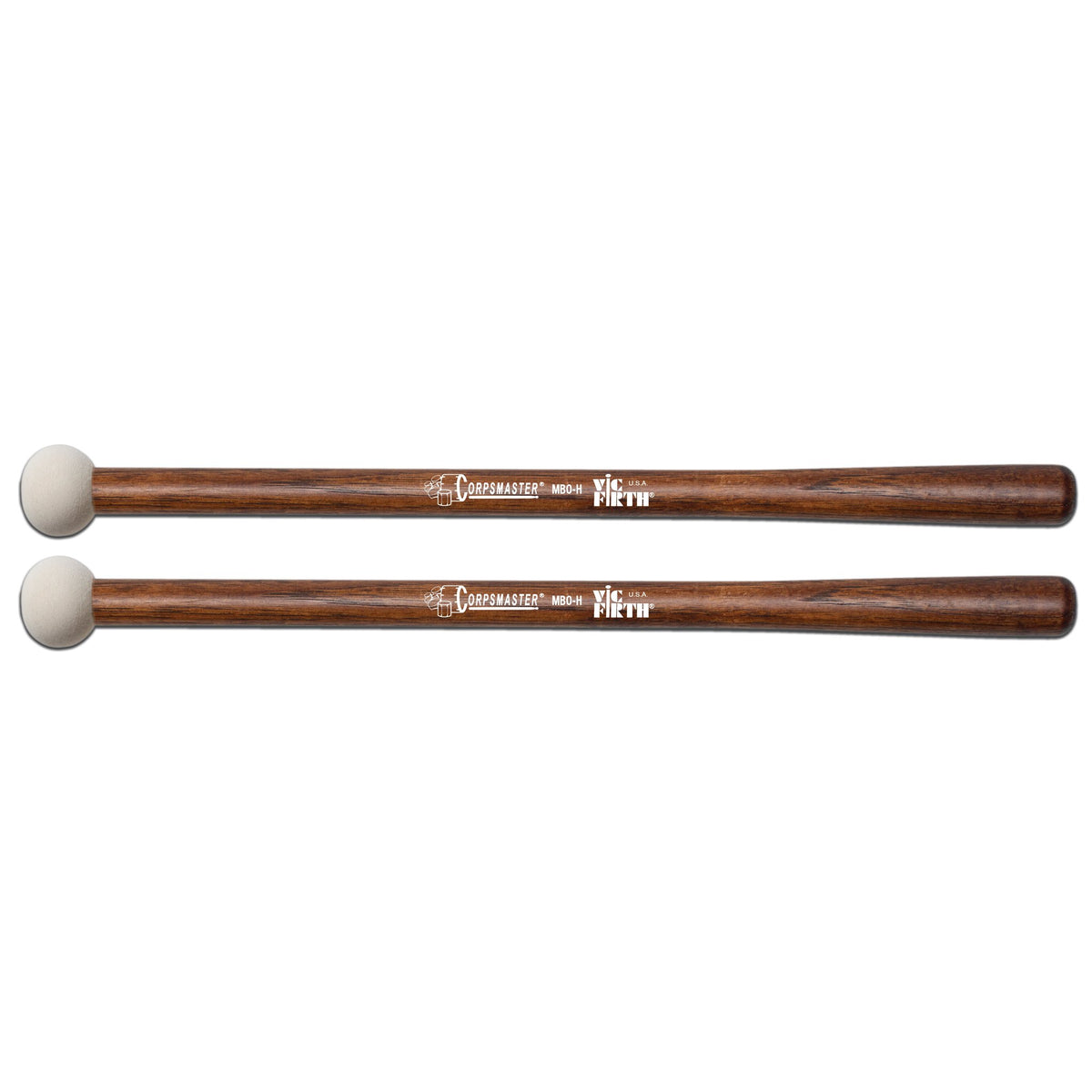

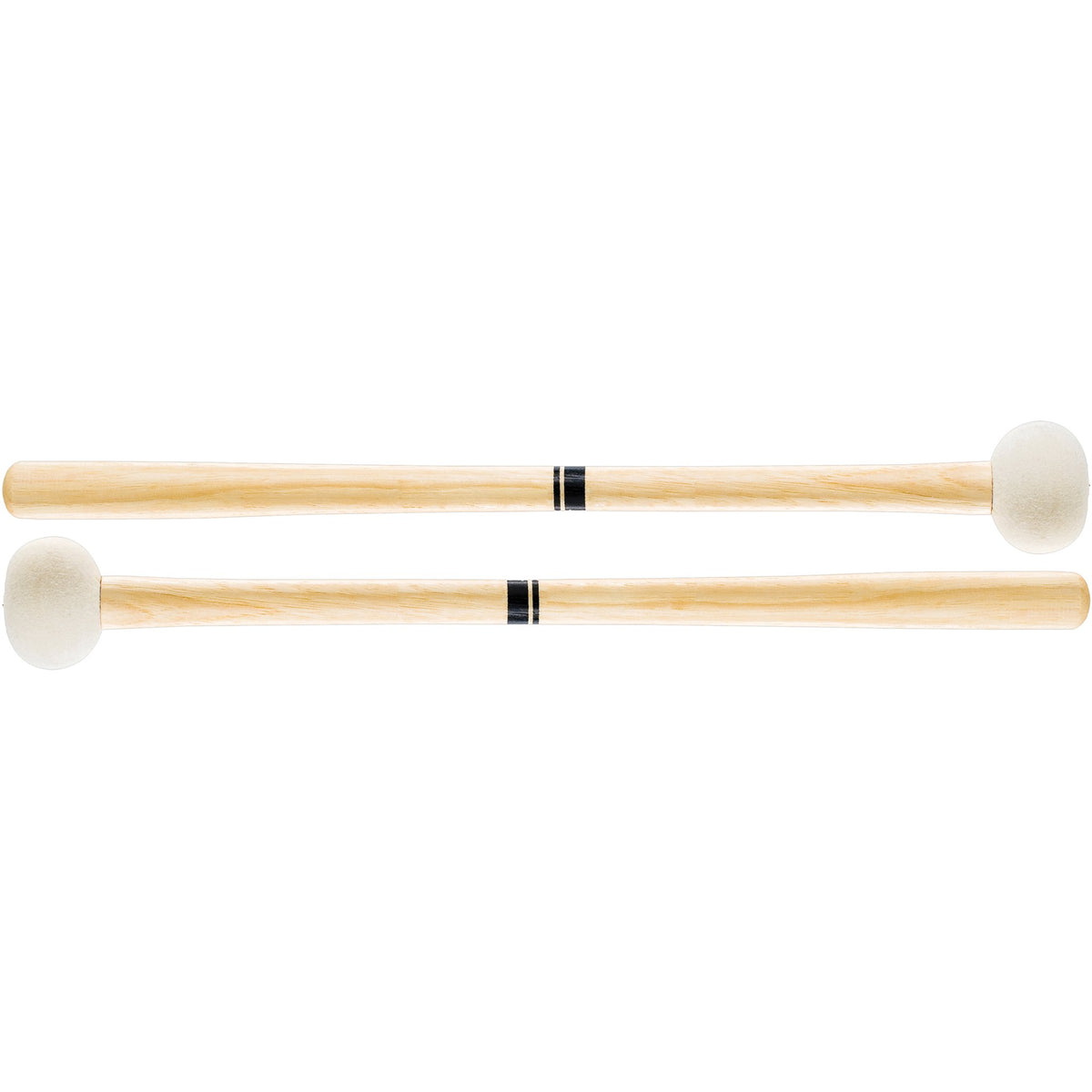
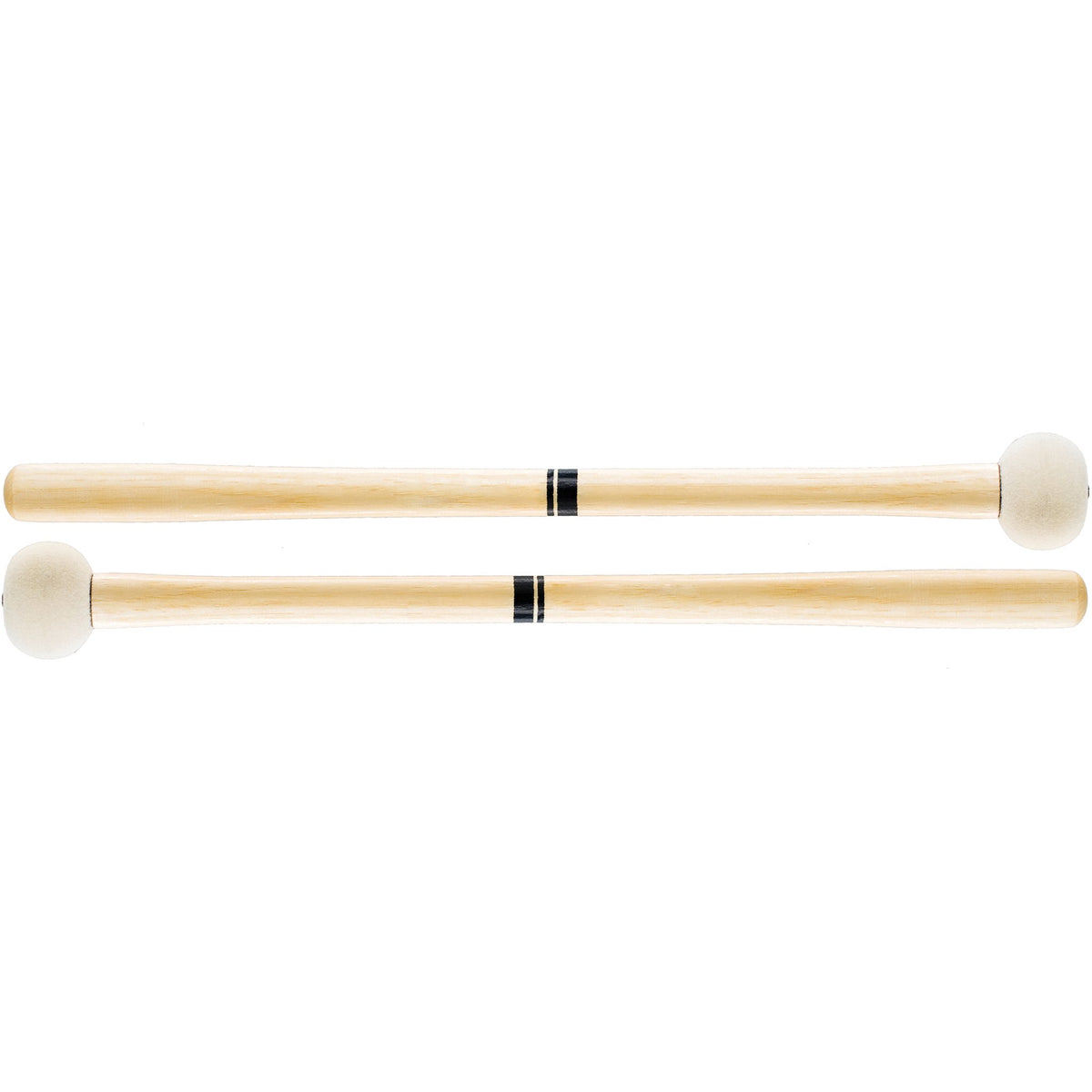
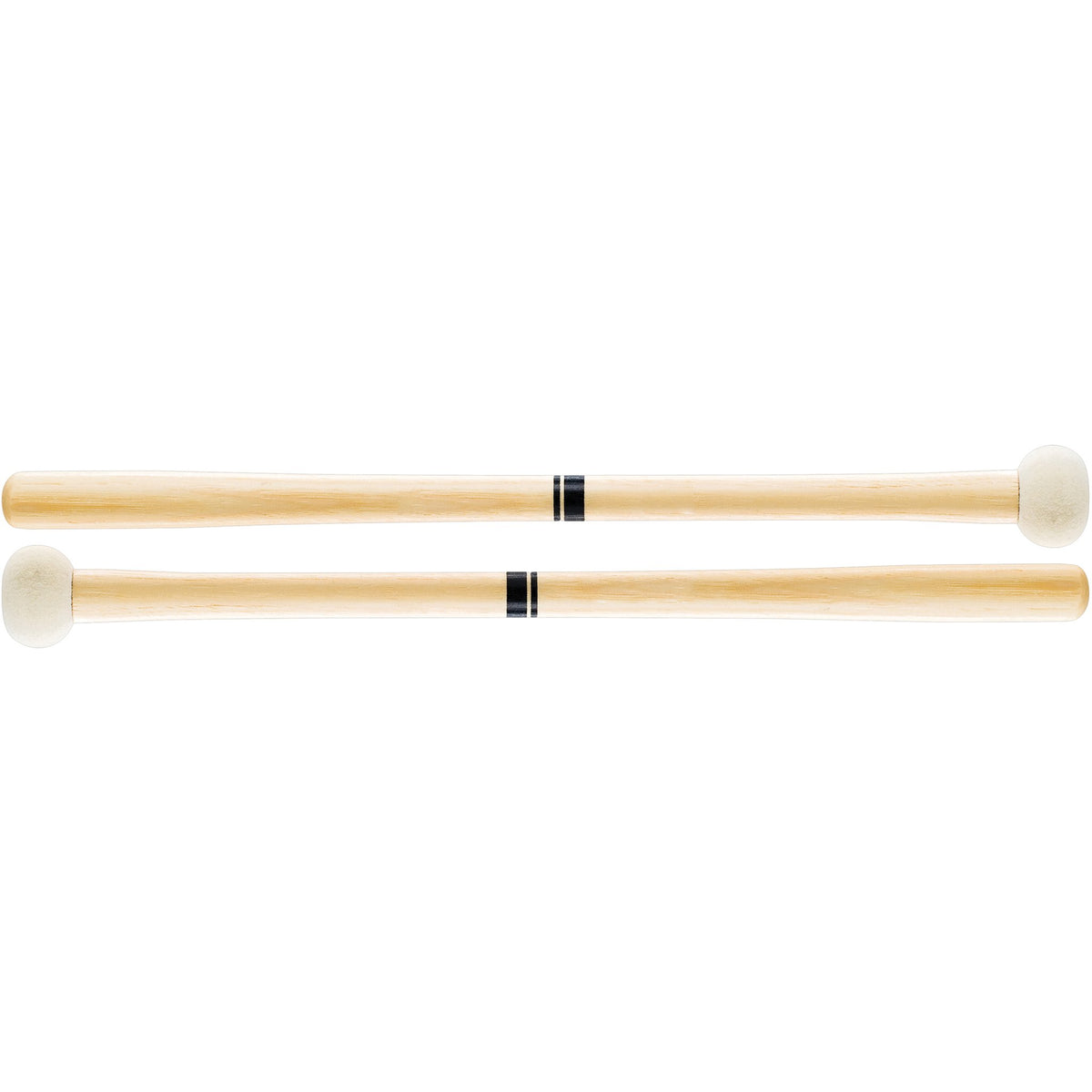
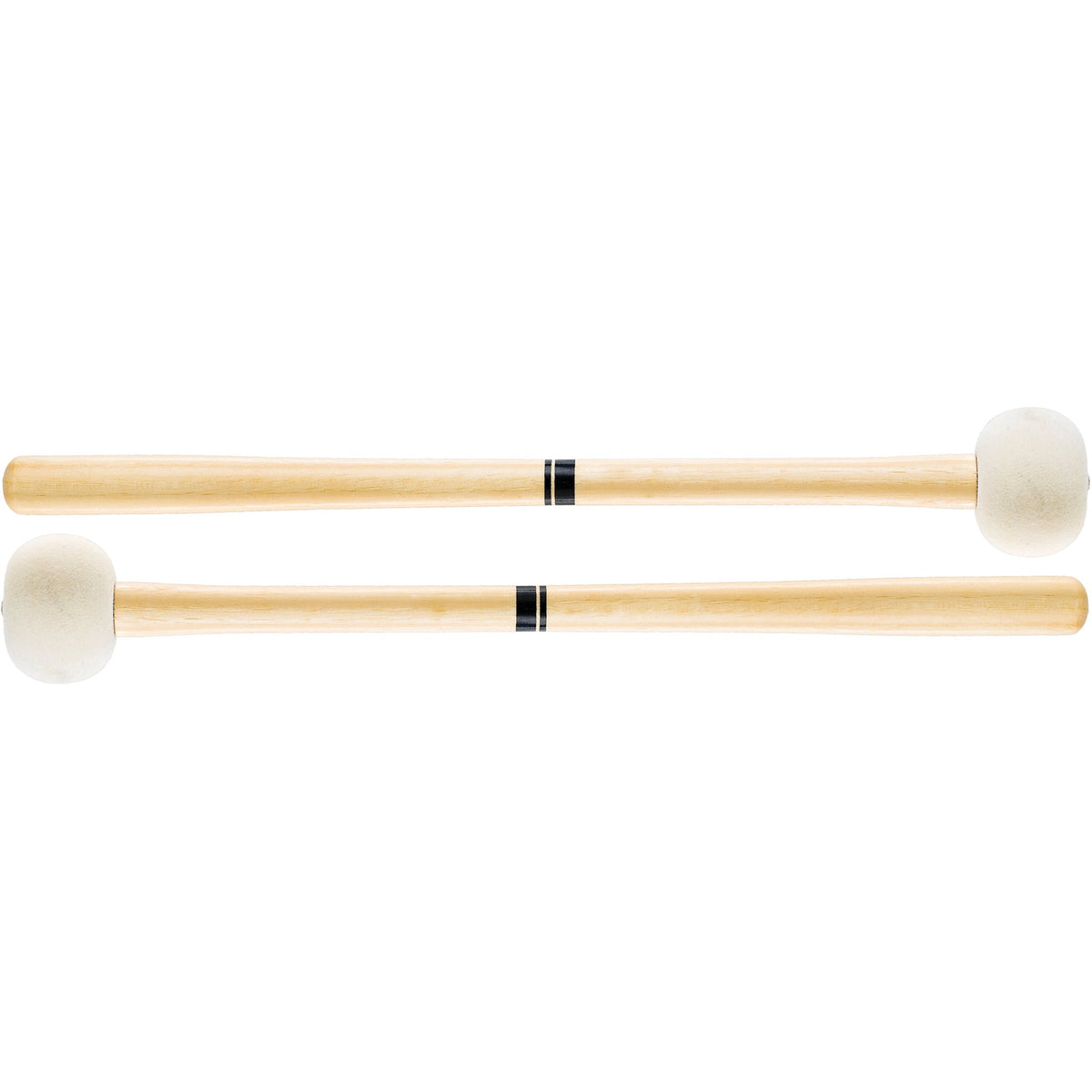
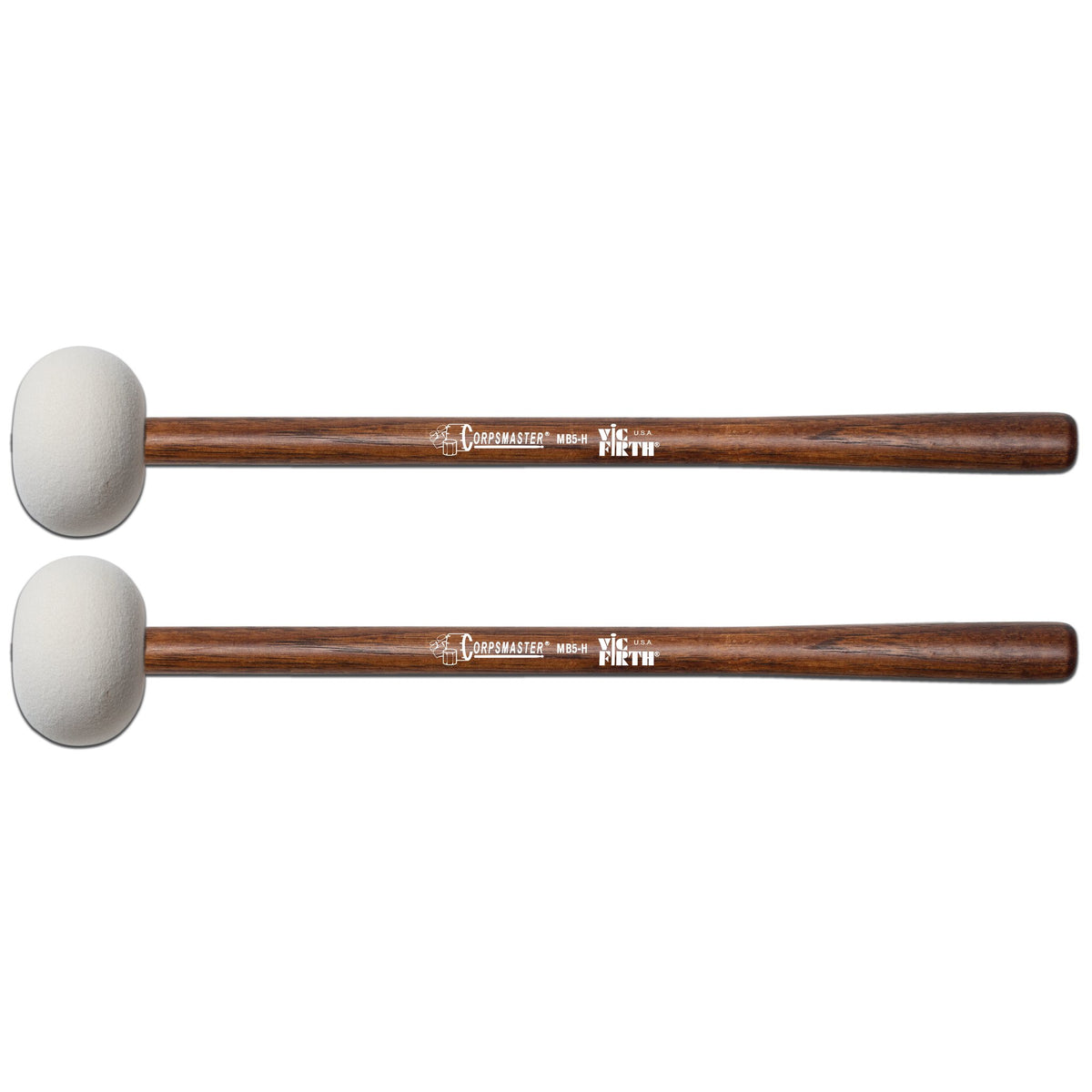
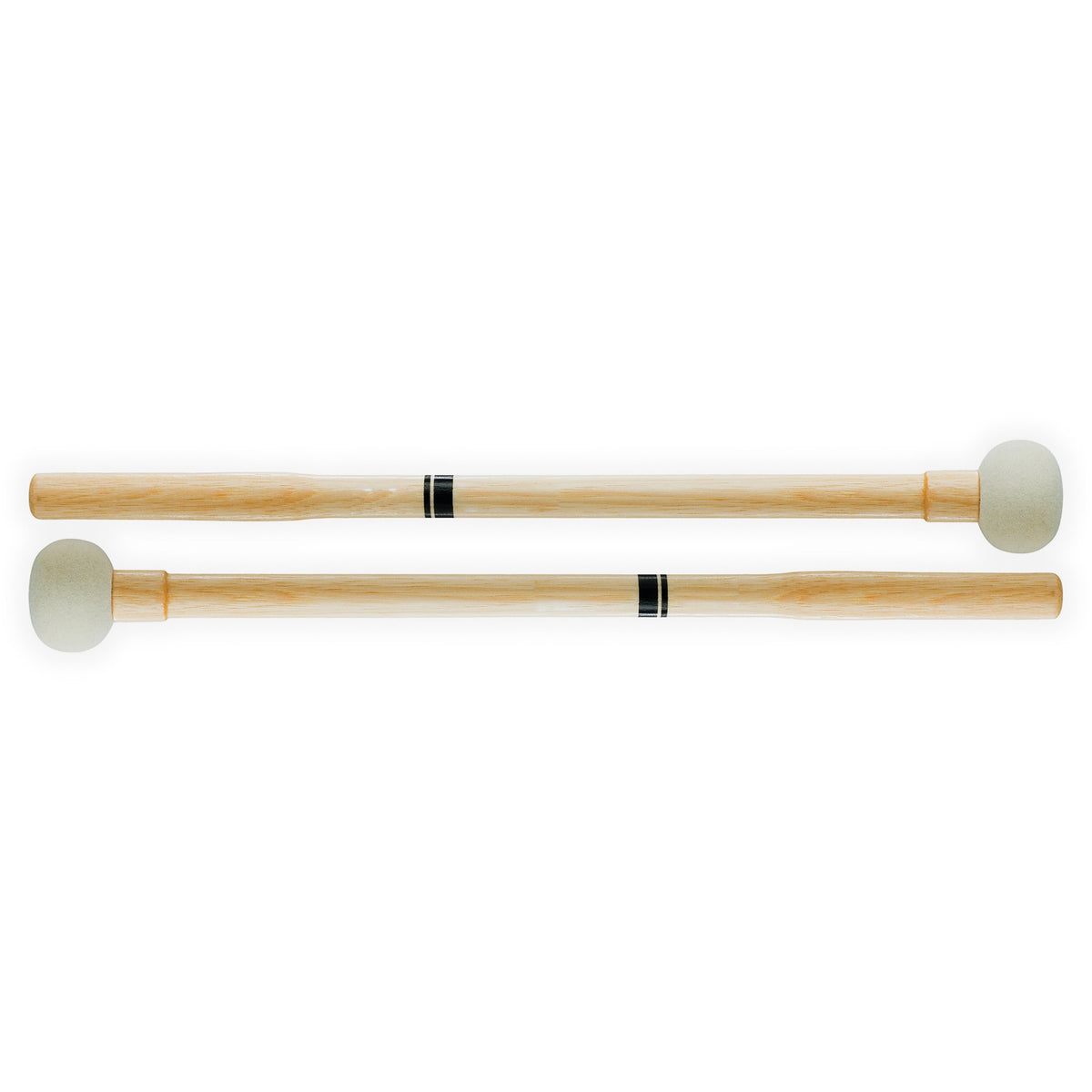
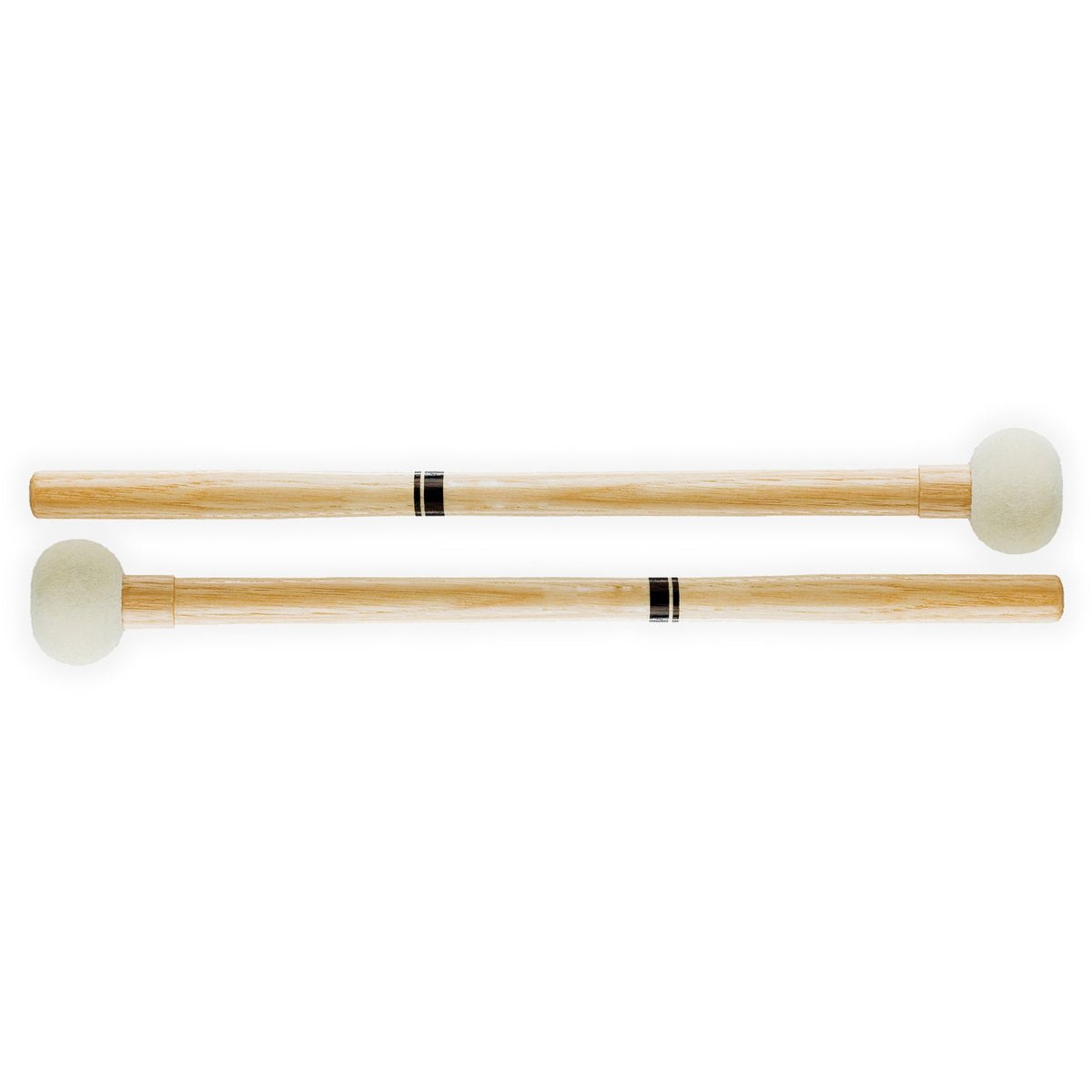
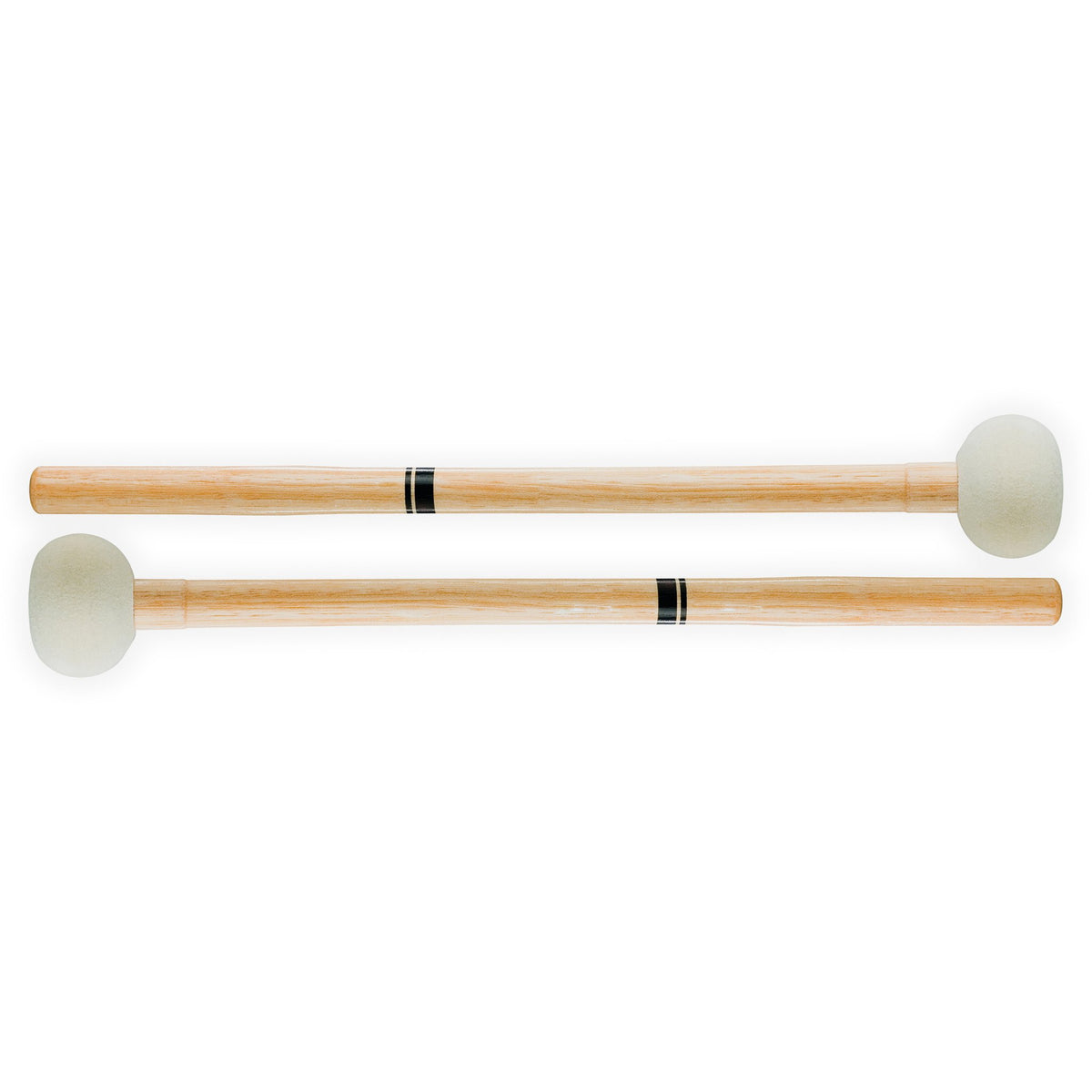
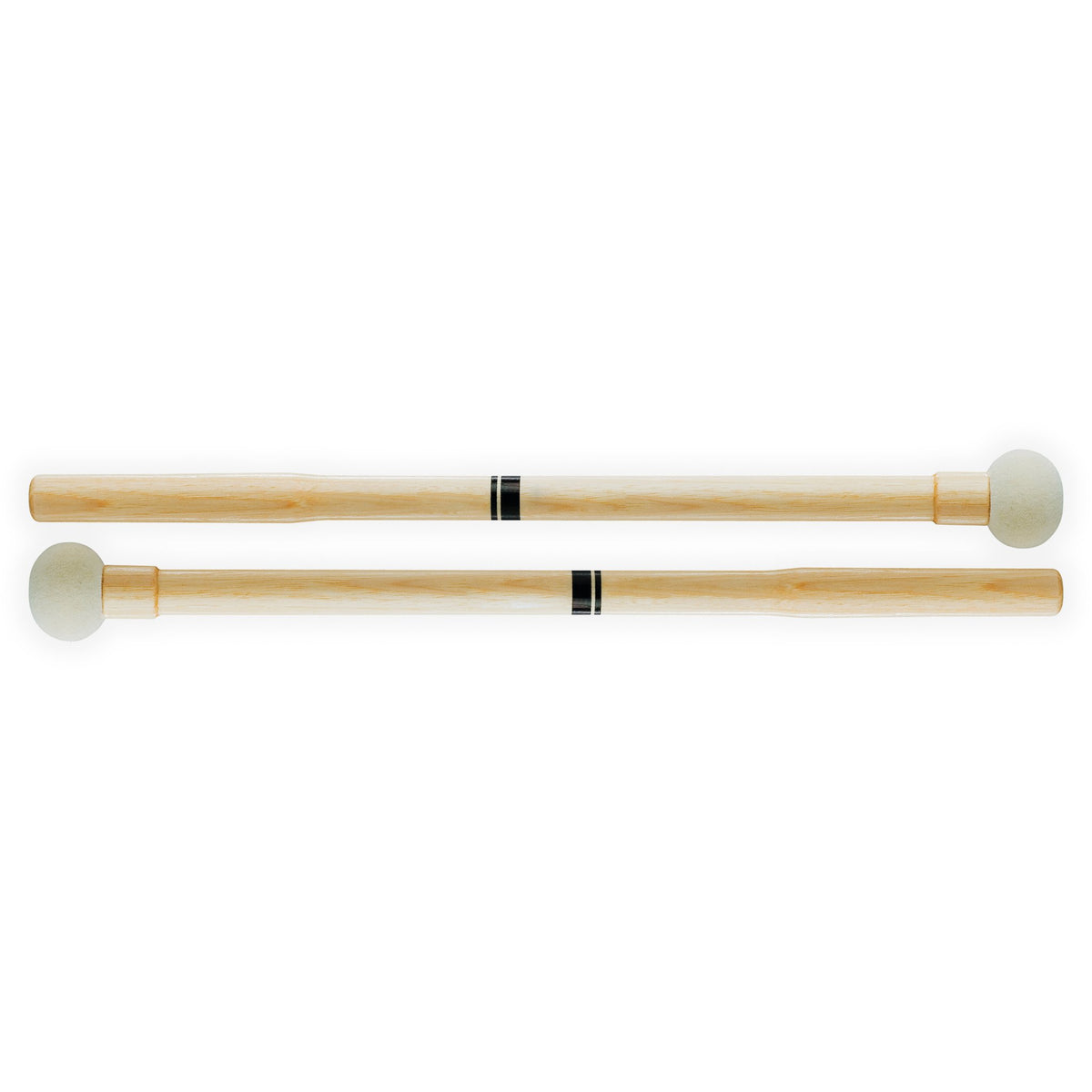
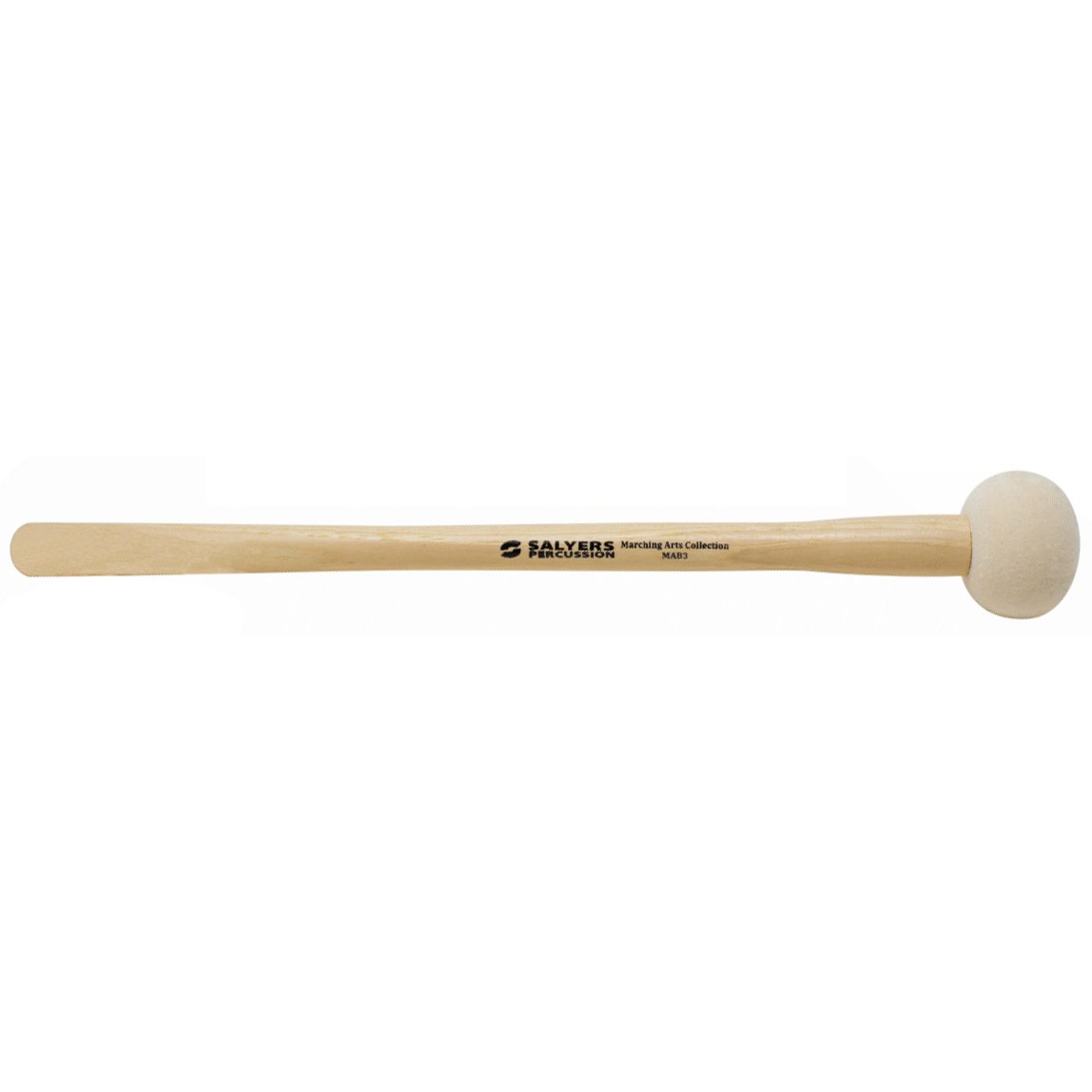
Marching Bass Drum Mallets
Outfitting Your Entire Bass Line
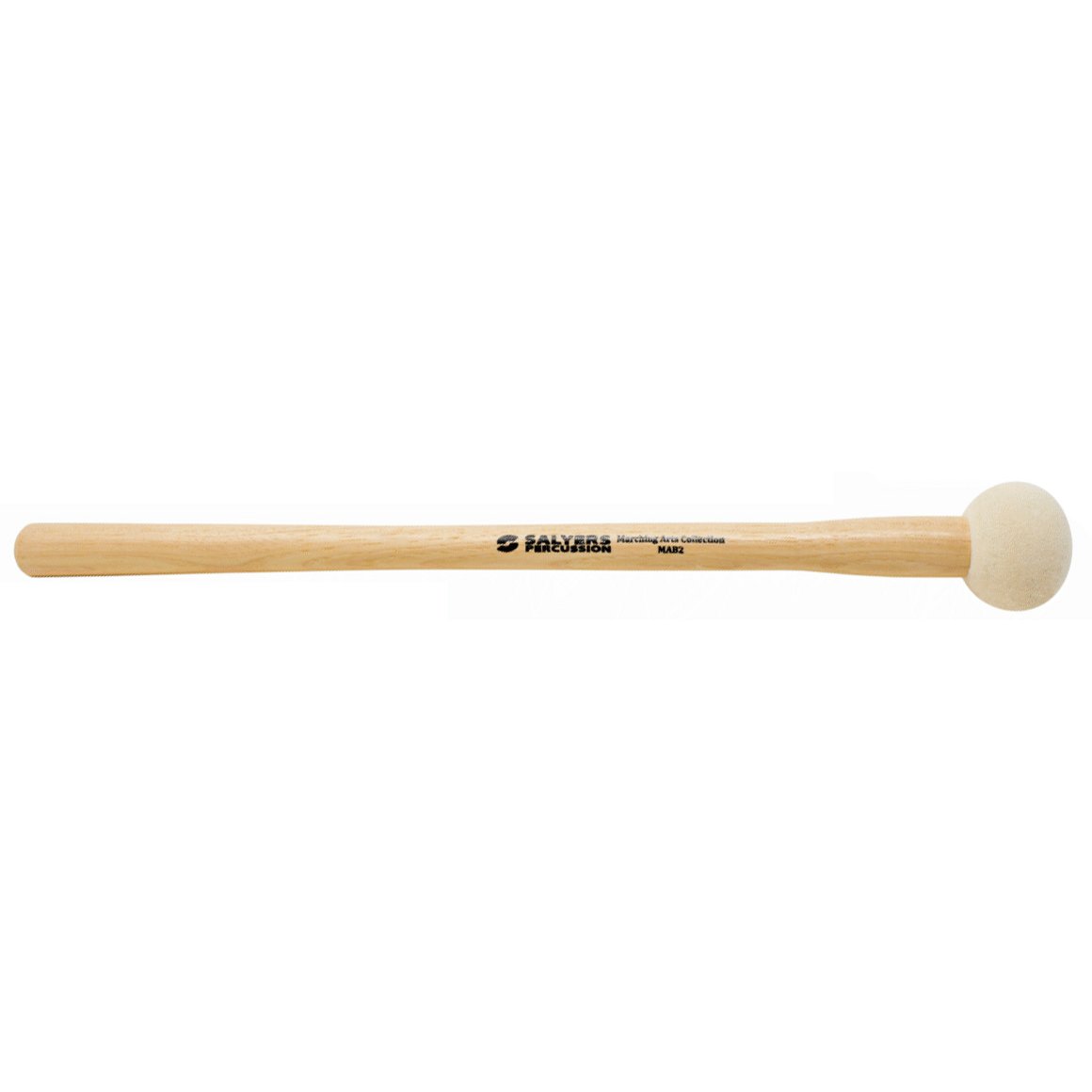
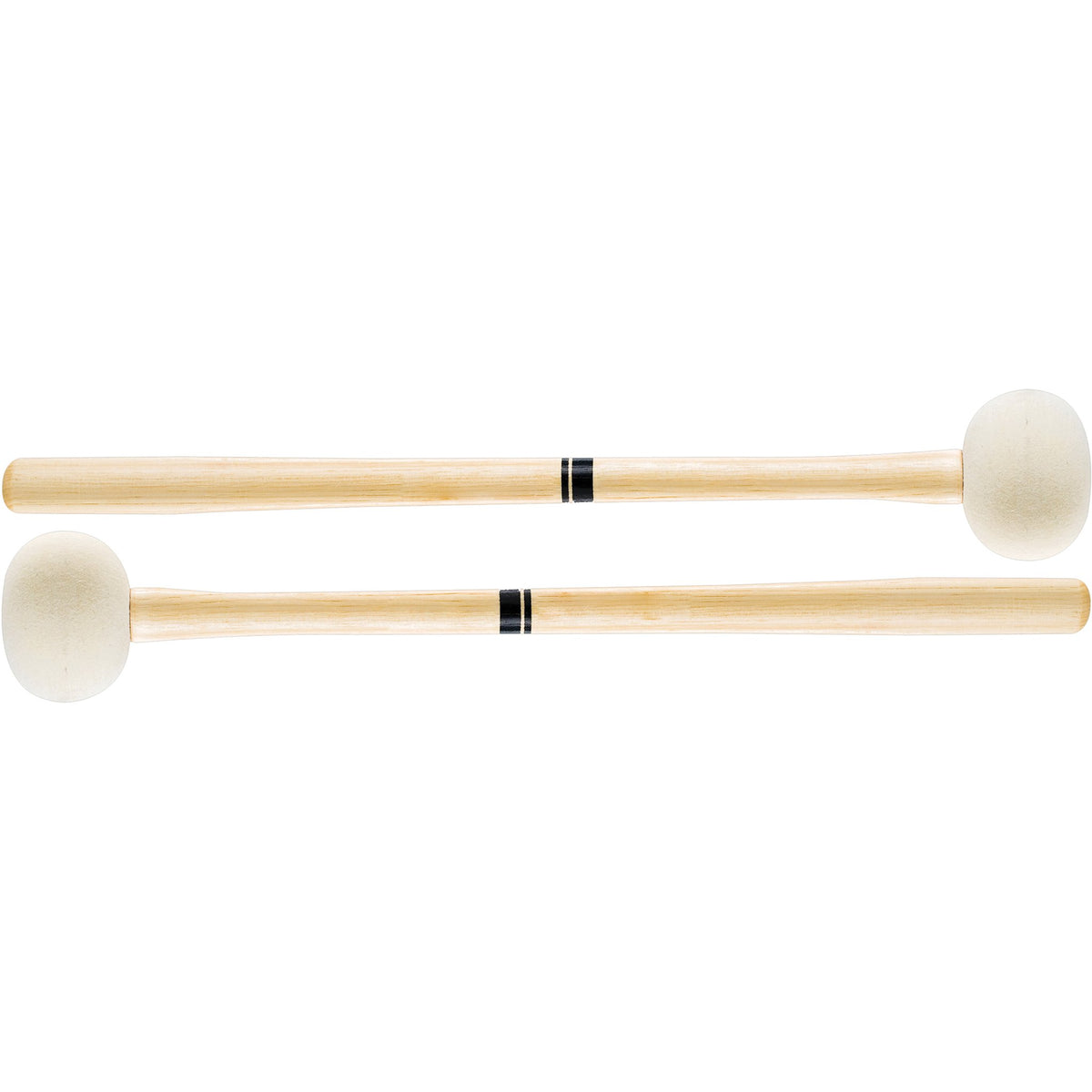
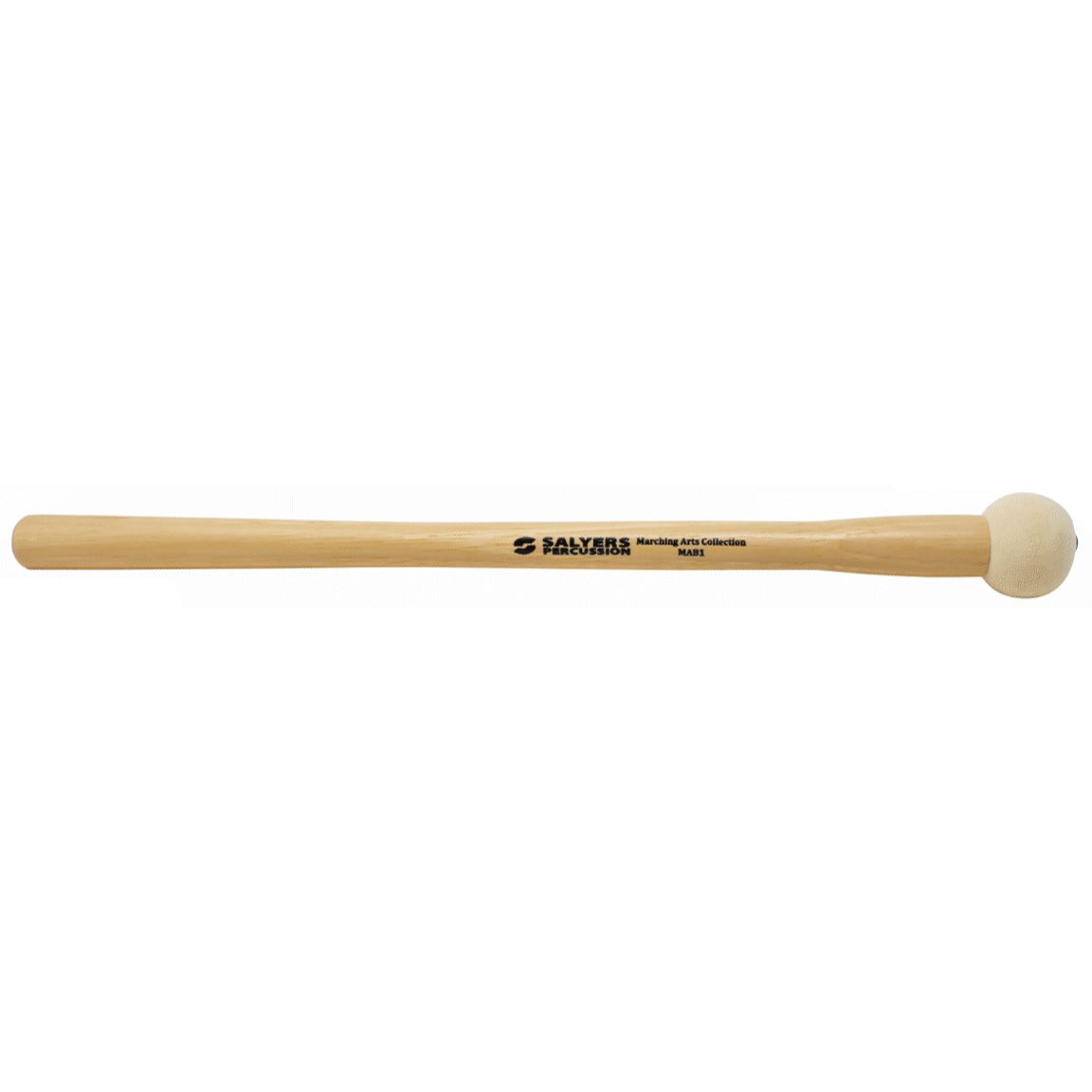
Whether you are dialing in the sound for a competitive high school drumline, an indoor percussion ensemble, or a world-class drum corps, the marching bass drum mallets you choose are critical to your ensemble’s impact. We offer a massive selection of mallets sized from extra-small to XX-large to ensure every drum in your line gets the exact articulation and low-end projection it needs. Getting the right setup comes down to matching the mallet head size, core hardness, and shaft material to the specific size of your marching bass drums and the acoustic demands of your environment.
Felt Cores, Fleece Covers, and Shaft Materials
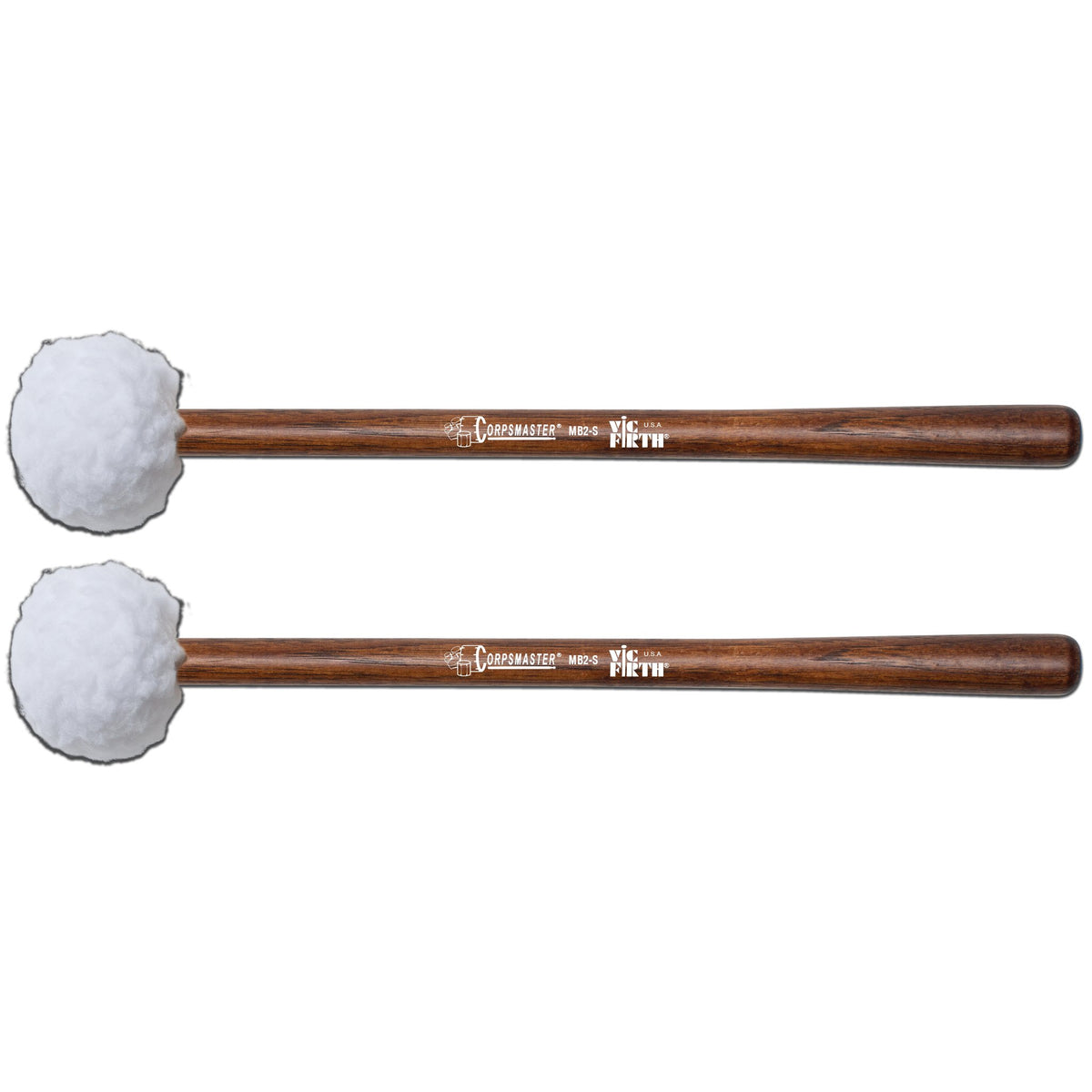
The construction of a bass drum mallet determines both its lifespan and its sound. Most outdoor marching mallets feature hard felt cores designed to push serious air and maximize articulation for complex rhythmic splits. The shaft material is just as important—tapered hickory or maple shafts offer a traditional feel, natural balance, and durability. Many manufacturers also offer mallets with different degrees of head hardness or softer fleece covers to reduce the attack, which is ideal for the tighter acoustics of indoor drumline arenas.
Trusted Brands for the Field
We are picky about what goes on the field. You will see trusted names here like Vic Firth, Innovative Percussion, Promark, Salyers Percussion, and more. From the iconic Vic Firth Corpsmaster series to the Innovative Percussion FBX line and Promark Optima models, we have the gear that top drumlines rely on. We also carry mallet wrap and stick tape to keep your bass line looking and sounding uniform throughout the entire competitive season.
Marching Bass Drum Mallets FAQs
- How do I choose the right size mallet for my marching bass drum?
- Matching the mallet to the drum size is crucial for getting the right balance of attack and fundamental tone. As a general rule, extra-small or small mallets (often labeled size 0 or 1) are meant for smallest drums (14" to 18"), medium mallets are ideal for middle drums (20" to 24"), and large to extra-large mallets are needed to activate the heads of the biggest bottom drums (26" to 32").
- Should I tape my marching bass drum mallets?
- Yes, taping the shafts of wood marching bass drum mallets is very popular and recommended. Not only does stick tape protect the shaft from rim clicks and accidental rim shots that can splinter the wood, but it also creates a uniform visual aesthetic for the entire bass line from the stands.
- What is the difference between hard and soft marching bass mallets?
- It comes down to where you are performing and what the music demands. Hard mallets provide maximum articulation, helping fast, complex rhythmic passages cut clearly through the brass section on a football field. Soft mallets feature a plusher fleece cover that reduces the harsh attack, bringing out a warmer, rounder fundamental tone. Soft mallets are popular for indoor percussion ensembles or specific musical sections where the acoustics of a gymnasium or concert hall would make hard mallets sound overly abrasive.