







Xylophones
Professional, Student, and Marching Xylophones
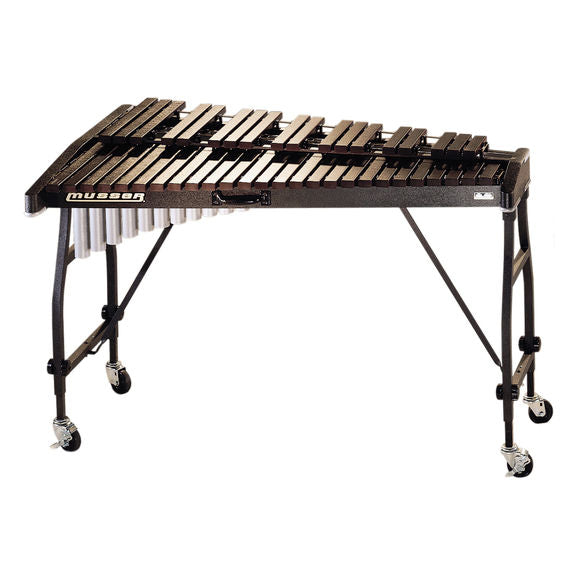
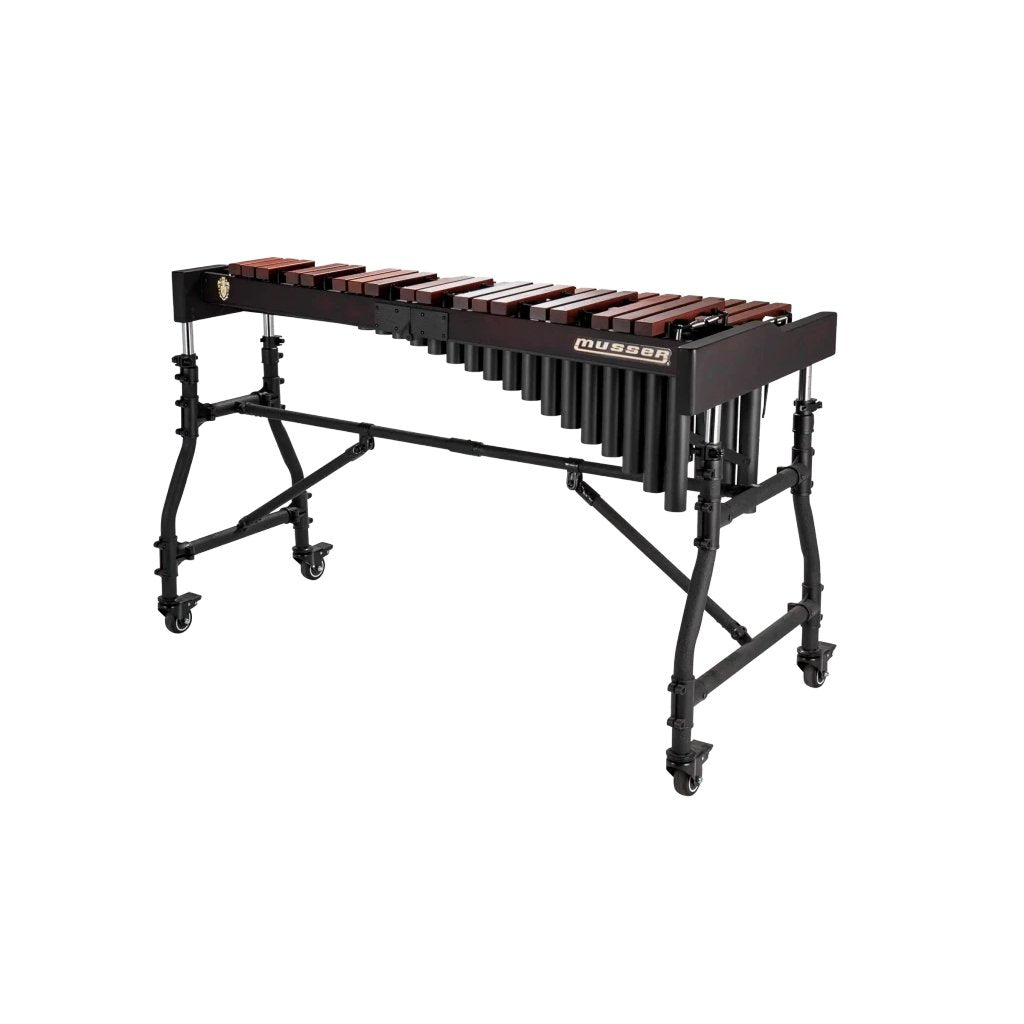
Whether you are outfitting a middle school band room, gearing up for an outdoor marching season, or taking the stage with a professional symphony, the right xylophone makes all the difference. We stock a large inventory of instruments ranging from compact 2.5-octave and 3.0-octave student models to full 3.5-octave and extended-range 4.0-octave professional rosewood keyboards. With top-tier options from brands like Adams, Majestic, Malletech, Marimba One, Musser, Yamaha and more, you will find the exact projection, tone, and frame style your ensemble requires.
Rosewood, Padouk, and Synthetic Bars
The material of a xylophone bar drastically dictates its sound, projection, and durability. Honduran Rosewood is the orchestral gold standard, offering a warm, incredibly resonant, and complex tone that cuts beautifully through a concert hall without sounding harsh. For a more budget-friendly wooden alternative, Padouk provides a similar warmth and is ideal for practice and indoor educational settings.
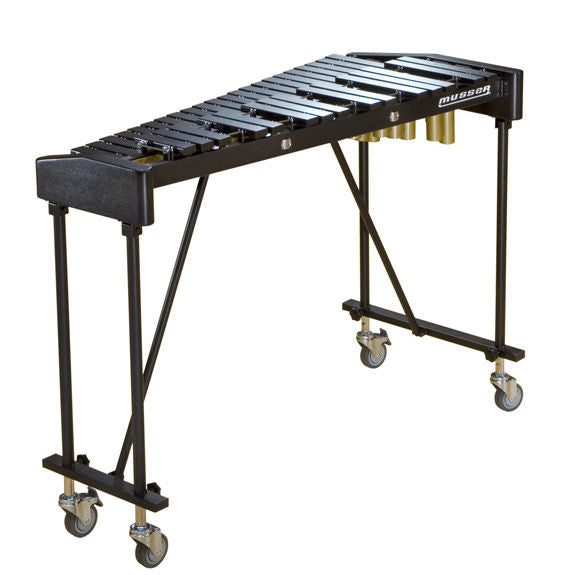
If your instrument is going to see a football field, parking lot, or high humidity, we recommend Synthetic bars (like Yamaha's Acoustalon or Musser's Kelon). These proprietary composite materials are designed to project aggressively and withstand extreme temperature changes without ever going out of tune.
Choosing the Right Frame
You need to trust the hardware just as much as the keyboard. If you are touring, playing outside, or moving the instrument daily, look for heavy-duty field frames equipped with oversized pneumatic or solid casters. If the instrument is staying put in a rehearsal space or studio, a standard concert frame offers a much cleaner look and lighter footprint. We also offer a large selection of xylophone mallets and percussion sheet music to get you performing quickly.
Xylophone FAQs
What size xylophone do I need?
The industry standard for most concert band and orchestral literature is a 3.5-octave xylophone (typically F4 to C8). However, advanced collegiate ensembles and professional orchestras often prefer a 4.0-octave instrument (C4 to C8) to cover extended solo repertoire. For beginners and young students just learning their scales, a 2.5-octave or 3.0-octave practice keyboard is highly affordable and saves a ton of space.
Can I use brass or aluminum mallets on my xylophone?
We do not recommend this. Using them on a rosewood or padouk xylophone will permanently dent, crack, or destroy the wooden bars. If the music requires an extreme, bright attack, opt for very hard poly, lexan, or fiberglass mallets instead.
What is the difference between a marimba and a xylophone?
While they look similar and are both traditionally made of wood, they sound completely different. A xylophone is tuned in a higher range than a marimba and features thicker, denser bars designed to produce a bright, piercing, staccato sound that cuts through a full orchestra. A marimba has thinner, wider bars designed to produce a warm, dark, and sustained resonance.
Is padouk durable enough for a xylophone?
Padouk is a good sounding, budget-friendly tone wood that produces a warm, resonant tone, making it highly popular for student and practice xylophones. However, it is a softer wood than rosewood or synthetic materials. We do not recommend purchasing a padouk xylophone for use in any school or heavy use situation. Care should be taken not to use extremely hard mallets to avoid denting padouk xylophone bars.